Why Technical SEO Project Workflows Redefine ROI
The free route: Open each competitor's top-ranking pages and note the terms they target in titles, headers, and URLs. Harvest the "Individuals Also Ask" boxes and associated searches under your core queries. Every concern there is a keyword someone typed. Skim their blog site and resource sections to see which topics they keep coming back to.
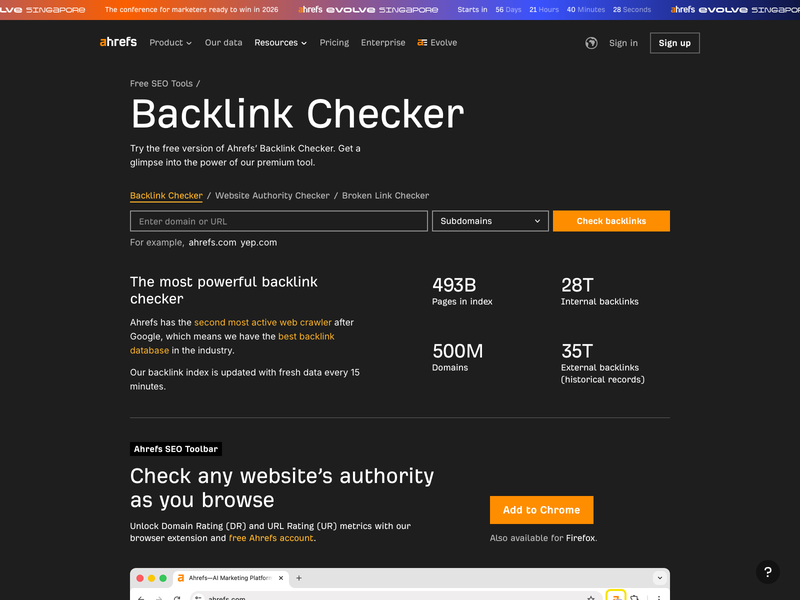
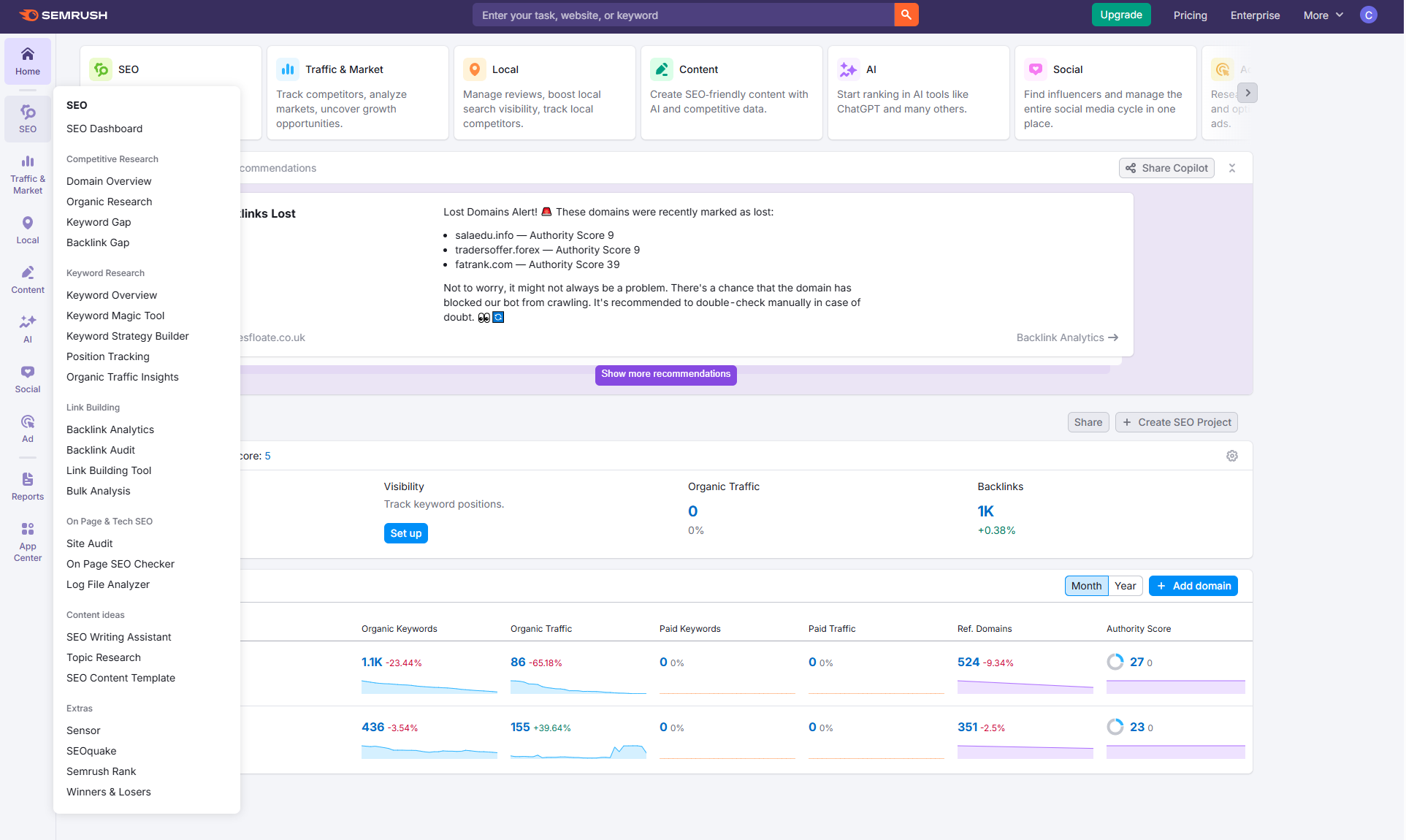
Drop a rival domain into Semrush, Ahrefs, or SpyFu, and you've got their full natural keyword footprint in one export, positions and volumes consisted of. If you're still deciding between tools, the breakdown covers how they compare on database size, trouble scoring, and space protection. Run this across every rival you named.
Once you have every rival's keyword export, the analysis is a sorting task. Overlay your own ranking information versus theirs and drop every keyword into one of 3 containers. BucketWhat it meansWhy it mattersMissingCompetitors rank, you don't appearThe greatest opportunityWeakYou both rank, but they sit above youA foothold to protect and improveSharedYou rank at approximately equal positionsLow priority, currently competitiveDo this across two or more competitors simultaneously.
That overlap is the signal worth acting on. Two concerns drive the output: where do numerous rivals rank while you're missing, and where are you stuck on page 2 behind one beatable competitor? The first is content you haven't written. The 2nd is a page you can press with a targeted rewrite.
Mastering SEO Footprint Analysis for 2026
SpyFu is the budget plan entry point, developed to appear rival keyword portfolios, ad invest history, and historic ranking information. run $29-$187/month on yearly billing across three tiers, which keeps it within reach for freelancers and small groups. are the deep suites. Bigger keyword databases, committed gap-analysis views, and a cost to match, well above SpyFu.
You'll never ever see a rival's data in there. Semrush, Ahrefs, and SpyFu all offer limited gain access to, enough to run through the space workflow before committing.
Traffic for traffic's sake is noise. Avoid terms your domain can't contend for. Enough demand to necessitate the write. Closer to a purchasing decision beats vanity volume each time. Stop dealing with keywords as one-off targets. Group associated spaces into topic clusters, construct the pillar first, then fill out the supporting posts around it.
Your keyword space does not stop at the blue links. A keyword gap on Google is a missing natural ranking.
Mastering SEO Footprint Analysis in 2026
The two overlap heavily. A discovered that 94% of keywords revealing a Google AI Introduction had at least one citation overlapping the top 20 natural results. Strong organic rankings feed AI citations, so your natural gap list is a solid starting point for your citation gap list. They're not similar, though.
ready to restore .ser fileWhen a rival makes the citation for a cluster you're missing, the space substances. They collect the natural click and the AI reference. Run your space analysis versus both surface areas, and set it with a plan for, going beyond the blue links.
Competitors publish brand-new content, algorithms shift, and fresh domains break into your SERPs. The photo you developed today wanders within weeks. Set a cadence and adhere to it. Monthly works for most groups. In a fast-moving niche where rankings churn week to week, go weekly. The very same cadence applies to AI search: alongside natural positions gives you the full image.
Essential SEO Project Analysis of 2026
Your rankings slipping on shared keywords a competing simply improved. New domains entering your top 10 that weren't there last month. A lightweight system beats an elaborate one you desert. One spreadsheet, your concern keywords, each competitor's position, upgraded on your cadence. Flag any row that moved more than a few areas.
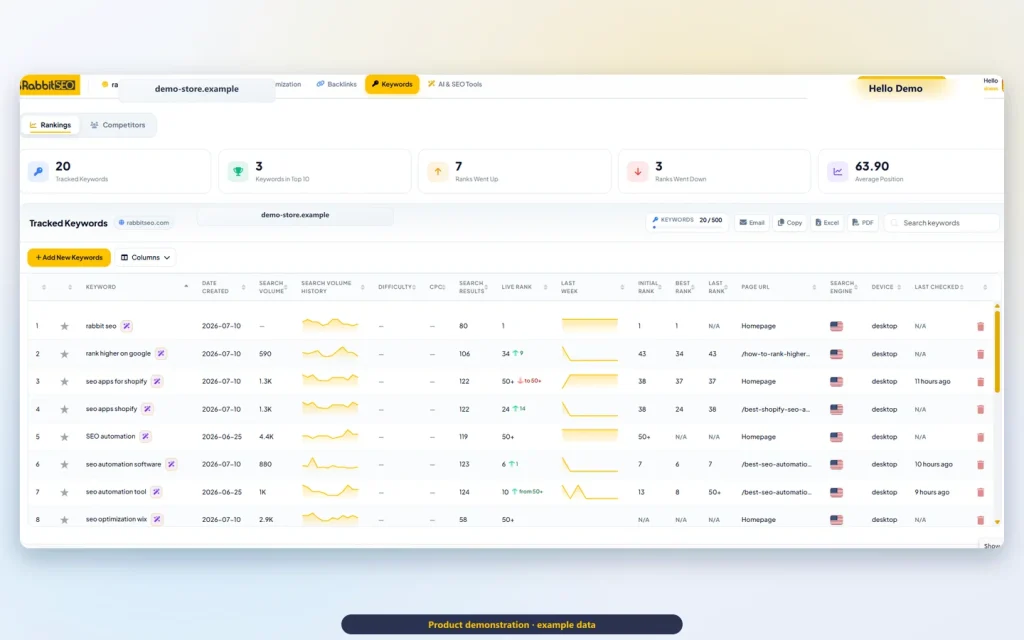
Everything above works by hand. It likewise takes hours per competitor, and the entire thing stagnates the minute you close the spreadsheet. I built Maintouch to run this loop continually. Exclusive crawlers track rival rankings around the clock, surface your missing out on and weak keywords against every competitor at as soon as, and feed those gaps directly into a ranked content calendar.
The space analysis stops being a quarterly audit and becomes a standing input to what gets composed next. The complimentary AI visibility tool tracks 35 prompts throughout ChatGPT, Google Gemini, Google AI Overviews, Perplexity, and Claude for a complete year at no expense, so you can see which citations your competitors are making while you're absent.